
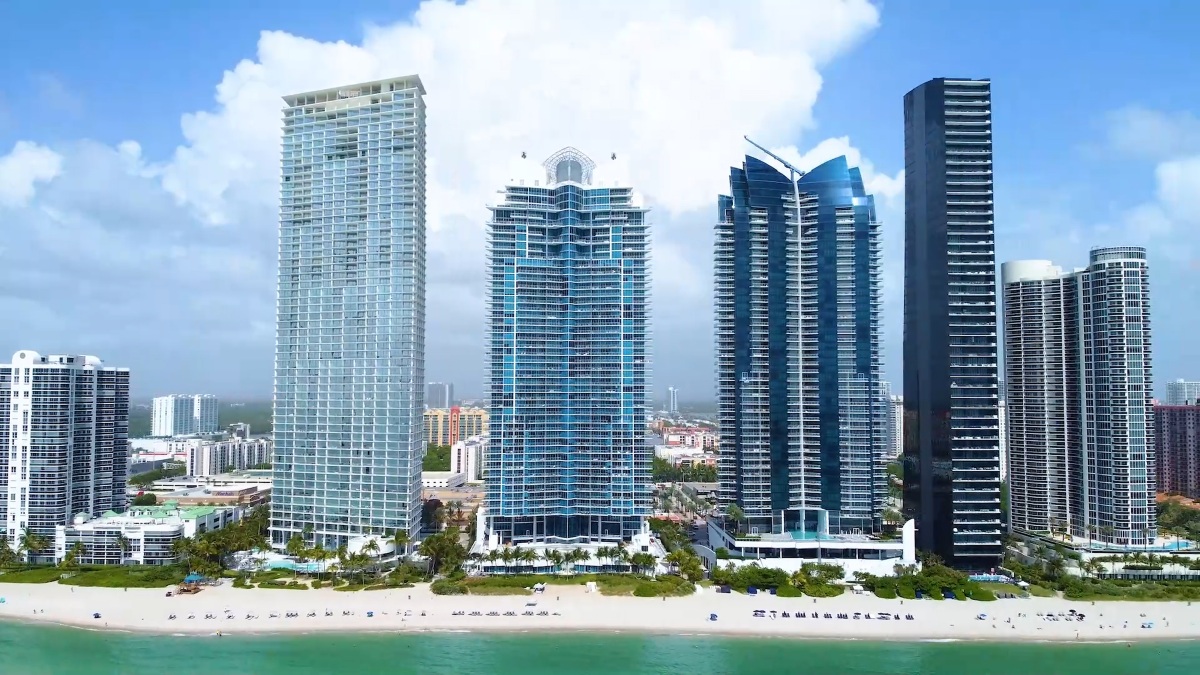
Jade Beach vs. Jade Ocean Sunny Isles Beach: Which Building Is Right for You?
They sit two minutes apart on Collins Avenue. Both were designed by the same architect. Both were developed by the same company. Both are directly oceanfront with similar amenity programs and overlapping price ranges. And yet, for buyers who know Sunny Isles Beach, Jade Beach and Jade Ocean are genuinely different buildings that attract different buyers for different reasons.
If you are trying to decide between the two, this guide will settle it. We break down every meaningful difference — architecture, pricing, floor plans, rental policy, investment fundamentals, and lifestyle fit — so you can make the right call with confidence.
At a Glance: Jade Beach vs. Jade Ocean
| Feature | Jade Beach | Jade Ocean |
|---|---|---|
| Address | 17001 Collins Ave | 17121 Collins Ave |
| Year Completed | 2006 | 2009 |
| Developer | Fortune International | Fortune International |
| Architect | Carlos Ott | Carlos Ott |
| Stories | 51 | 49 |
| Total Units | 252 | 261 |
| Size Range | 900–4,500 sq ft | 900–4,200 sq ft |
| Starting Price (2026) | ~$1,150,000 | ~$1,150,000 |
| Price Per Sq Ft | $1,150 – $2,950 | $1,300–$1,880 |
| HOA Fees | ~$1,800–$3,500/mo | ~$1,900–$3,600/mo |
| Rental Policy | Flexible | 6 months min, 2x/year |
| Pet Friendly | Yes (owner’s only) | Yes (owners’ and tenants) |
| Architect Style | Organic curves, warm exterior | All-glass curtain wall |
| Defining Feature | Best value in Jade Collection | Iconic all-glass architecture |
The Single Biggest Difference Most Buyers Miss
Before diving into the detailed comparison, there is one difference between Jade Beach and Jade Ocean that buyers frequently overlook — and it has significant implications for short-term investors:
Jade Beach has a 6-month minimum. Jade Ocean has a 6-month minimum.
At Jade Beach, owners can rent their units for 6 months or more, subject to building rules. At Jade Ocean, rentals also require a minimum lease of 6 months, permitted twice per year. For buyers whose primary goal is maximizing rental income — particularly short-term or seasonal rental income — these developments will not permit. This investment distinction alone can determine which building makes financial sense. For lifestyle buyers and long-term investors, it matters less as buyers seek a second home and appreciate less transient traffic through the lobby.
This is the first question any serious buyer comparing these two buildings should answer: What is your rental strategy?
Architecture: Same Architect, Very Different Results
Both buildings were designed by Carlos Ott, the Uruguayan-Canadian architect whose portfolio spans five continents. But anyone who has stood on Collins Avenue and looked at both towers knows immediately that Ott took very different approaches.

Jade Beach: Organic, Warm, Sculptural
Jade Beach, completed in 2006, is defined by sweeping curves, a warm exterior palette, and a sculptural form that flows organically along the coastline. The building’s silhouette has a softness to it — rounded corners, wraparound balconies, and a massing that feels integrated with the natural beach environment rather than imposed on it. From the street, Jade Beach reads as approachable luxury — impressive without being aggressive.
Inside, the lobby continues the organic theme — natural stone, water features, and a warmth of materials that sets a residential tone immediately upon arrival.
Jade Ocean: Bold, Transparent, Architectural Statement
Jade Ocean, completed in 2009 — three years after Jade Beach — is a dramatically different expression. The building’s near-total glass curtain wall gives it an almost transparent quality in certain light conditions, the tower appearing to dissolve into the sky and ocean around it. The exterior is sharper, more angular, and more overtly contemporary than Jade Beach.
The defining arrival experience at Jade Ocean is the west-facing waterfall at the building’s entrance on the Intracoastal side — a dramatic design feature that announces the building’s ambitions before you ever step inside. The lobby interior matches: sleeker, more minimal, and more overtly design-forward than Jade Beach.
Architecture verdict: Jade Beach appeals to buyers who want warmth, sculptural elegance, and a building that feels like a home. Jade Ocean appeals to buyers who want a visual statement, architectural boldness, and a building that feels like a work of art. Neither is objectively superior — it is a question of personal aesthetic.
Pricing: How Close Are They Really?
In the current buyer’s market, Jade Beach and Jade Ocean are pricing closer together than they have in years — Jade Ocean’s architectural premium has compressed somewhat as inventory has increased across both buildings.
Jade Beach Pricing (2026)
- One-bedroom: $1,150,000–$1.4M
- Two-bedroom: $2M–$2.4M
- Three-bedroom: $2.2M–$2.7M
- Four-bedroom: $4.2M–$12.250M
- Penthouses: $5.0M–$8.0M+ (#4705)
- Price per sq ft: $1,120–$3,000
Jade Ocean Pricing (2026)
- One-bedroom: $1,150,000–$1.870M
- Two-bedroom: $2.4M–$2.8M
- Three-bedroom: $2.4M–$3.450M
- Four-bedroom: $3.5M–$4.4M
- Penthouses: $5.5M–$10.0M+ (off-market)
- Price per sq ft: $1,000–$1,876
Jade Ocean consistently commands a 15% or $50,000–$150,000 premium over comparable Jade Beach units at the lower price tiers, widening to a larger gap at the penthouse level. That premium is the market’s pricing of the architectural distinction — buyers decide whether it is worth paying.
In the current buyer’s market, motivated sellers at both buildings are negotiating, and the gap between the two has narrowed. Well-positioned buyers can find exceptional value at both addresses right now.

Floor Plans: How Do They Compare?
Both buildings offer strikingly similar floor plan configurations — one through four bedrooms plus penthouses, with similar square footage ranges across equivalent unit types. The key differences:
Flow-through units: Jade Ocean has a higher proportion of flow-through floor plans — units that capture both the Atlantic Ocean to the east and the Intracoastal Waterway to the west simultaneously. These are among the most desirable configurations in any Sunny Isles building and command a meaningful premium within Jade Ocean’s pricing. Jade Beach has flow-through configurations as well, but they are less prevalent in the building’s layout.
Size at entry: Both buildings offer one-bedroom units starting around 900 square feet — the most accessible entry point in the Jade Collection. Jade Beach’s one-bedrooms trend slightly larger on average at comparable price points.
Penthouse scale: Jade Beach penthouses reach up to 4,500 sq ft; Jade Ocean tops out around 4,200 sq ft. The difference is modest but gives Jade Beach a slight edge for buyers seeking maximum penthouse scale at this price tier.
Explore Jade Beach Floor Plans → Explore Jade Ocean Floor Plans →
Amenities: Effectively a Tie
Both buildings deliver resort-caliber amenity programs that are effectively equivalent for most buyers. The lobby entrance is on the ocean side of the building for Jade Ocean and for Jade Beach, an exceptional flow through experience leading from valet to the lobby and direct ocean views:
| Amenity | Jade Beach | Jade Ocean |
|---|---|---|
| Oceanfront Pool | ✓ (two pools) | ✓ (two pools) |
| Private Beach Access | ✓ | ✓ |
| Fitness Center | ✓ | ✓ |
| Spa & Wellness | ✓ | ✓ |
| Social Lounge | ✓ | ✓ |
| Screening Room | ✓ | ✓ |
| Children’s Playroom | ✓ | ✓ |
| 24-hr Concierge | ✓ | ✓ |
| 24-hr Valet | ✓ | ✓ |
| Sauna/Steam | ✓ | ✓ |
Jade Ocean has two pools (sunrise & sunset options) vs. Jade Beach’s one on the east side and a small private pool on the west — a meaningful advantage for buyers who prioritize pool access + exposure, particularly families and those who use the pool area as a primary social space. Otherwise, the amenity programs are comparable with Jade Ocean, offering slightly more.

Investment Comparison: Where the Real Difference Lies
For investors, the comparison between Jade Beach and Jade Ocean comes down to three factors: rental policy, price per square foot, and track record.
Rental Policy — The Critical Variable
As noted above, Jade Beach’s flexible rental policy gives investors access to the medium & long-term rental market. The 6-month minimum restricts income to long-term leases only. In practical terms:
- A Jade Beach one-bedroom can generate a maximum of 2 rental transactions per year at long-term rates
- A Jade Ocean one-bedroom can generate a maximum of 2 rental transactions per year at long-term rates
Annual gross rental income potential at comparable units is typically 20% higher at Jade Ocean for investors who manage their rental programs. For passive investors who prefer a simple, low-turnover long-term lease, the difference matters less.
Price Entry and Yield
Jade Beach’s lower entry price — approximately $50,000–$150,000 below comparable Jade Ocean units — means lower absolute capital investment and better yield on rental income. The combination of lower buy-in and more flexible rental terms makes Jade Beach the stronger pure investment play of the two.
Market Track Record
Jade Beach has been operating since 2006 — nearly 20 years of market history. That track record means more comparable sales data, better-established price floors, and a larger pool of historical performance data for underwriting investment decisions. Jade Ocean, completed in 2009, has a strong but shorter track record.
Investment verdict: Jade Beach wins decisively for investors prioritizing rental income and yield. Jade Ocean is the stronger choice for buyers who value architectural prestige and are comfortable with the long-term rental restriction.
Who Lives at Each Building?
Both buildings attract an international, cosmopolitan buyer base — but the profiles skew slightly differently:
Jade Beach residents tend to be:
- Investors and second-home buyers who value flexibility and return on investment
- Latin American buyers seeking a proven, established oceanfront address
- Domestic buyers from the Northeast and Midwest are entering the Sunny Isles market for the first time
- Value-conscious luxury buyers who want the Jade brand at the most accessible price point
Jade Ocean residents tend to be:
- Design and architecture-forward buyers who specifically sought out the all-glass aesthetic
- European buyers — particularly from Russia, Ukraine, France, and Italy — who respond to the building’s contemporary European design vocabulary
- Buyers upgrading within the Jade Collection from Jade Beach
- Full-time residents who prioritize the building’s visual distinctiveness and prestige
Location: Are They Really Different?
Jade Beach at 17001 Collins Avenue and Jade Ocean at 17121 Collins Avenue are separated by approximately two minutes on foot, less than a quarter mile. For practical purposes, they share the same location advantages:
- 5 minutes to Bal Harbour Shops
- 10 minutes to Aventura Mall
- 25 minutes to Miami International Airport
- Walking distance to Jade Signature
There is no meaningful location difference between the two buildings. Any buyer who would choose one location would equally accept the other.
The Verdict: Jade Beach vs. Jade Ocean
Choose Jade Beach if:
- Rental income and investment flexibility are priorities
- You want the lowest entry price in the Jade Collection
- You prefer warm, sculptural architecture over bold modernism
- You value an established 20-year track record
- You want slightly larger floor plans at comparable price points
Choose Jade Ocean if:
- Architectural distinction and visual impact matter most to you
- You prefer the all-glass aesthetic and the iconic waterfall entrance
- You are buying primarily as a full-time or seasonal residence with minimal rental intent
- You want flow-through ocean and Intracoastal views and are willing to pay the premium for them
- The 6-month rental minimum is not a constraint for your ownership goals
For most buyers comparing these two buildings, the decision ultimately comes down to rental strategy and aesthetic preference — two deeply personal factors that no comparison chart can decide for you. But if you are purely investment-focused, Jade Beach is the clearer choice. If you are design-focused and lifestyle-driven, Jade Ocean is worth the premium.
Frequently Asked Questions
What is the main difference between Jade Beach and Jade Ocean?
The most significant practical difference is their rental policies — Jade Beach has a flexible rental policy while Jade Ocean requires a minimum 6-month lease, permitted twice per year. Architecturally, Jade Beach features organic curves and a warm exterior, while Jade Ocean is defined by an all-glass curtain-wall facade and a dramatic waterfall entrance.
Which is cheaper — Jade Beach or Jade Ocean?
Jade Beach is consistently less expensive than Jade Ocean, with one-bedrooms starting around $850,000 vs. $900,000 at Jade Ocean. The gap widens at the penthouse level, where Jade Ocean commands a more pronounced premium for its architectural prestige.
Is Jade Beach or Jade Ocean better for investment?
Jade Beach is the stronger investment for buyers focused on rental income, due to its flexible rental policy and lower entry price. Jade Ocean is better suited for buyers prioritizing long-term appreciation and architectural prestige over yield.
Which building has better views — Jade Beach or Jade Ocean?
Both buildings are directly oceanfront with Atlantic Ocean views from east-facing units. Jade Ocean has a higher proportion of flow-through floor plans that capture both ocean and Intracoastal views simultaneously — giving it an edge for buyers who prioritize flow-through layouts.
Are Jade Beach and Jade Ocean in the same location?
Effectively yes. Jade Beach is at 17001 Collins Avenue, and Jade Ocean is at 17121 Collins Avenue — approximately two minutes apart on foot in Sunny Isles Beach. Both share the same proximity to Bal Harbour, Aventura, and Miami International Airport.
Who designed Jade Beach and Jade Ocean?
Both buildings were designed by Carlos Ott, the celebrated Uruguayan-Canadian architect, and developed by Fortune International Group. Despite sharing the same architect and developer, the buildings have distinctly different architectural identities.
Can I rent out a Jade Ocean condo short-term?
No. Both Jade Ocean and Jade Beach require a minimum lease term of 6 months, permitted twice per year. Neither building permits short-term rentals.
What are the HOA fees at Jade Beach and Jade Ocean?
HOA fees at Jade Beach range from approximately $1,800–$3,500 per month. Jade Ocean fees run slightly higher at approximately $1,900–$3,600 per month. Both vary by unit size.
Work With an Expert in Both Buildings
Ashton Coleman has represented buyers and sellers at both Jade Beach and Jade Ocean for over two decades and can provide current listings, off-market opportunities, and candid guidance on which building genuinely fits your goals — rental strategy, lifestyle, and budget included.
Call or text: 305.978.7704 Email: AColeman@onesothebysrealty.com Schedule a private consultation →

Related reading: Jade Beach Condos Complete Guide | Jade Ocean Condos Complete Guide | Jade Beach vs. Jade Ocean vs. Jade Signature | Jade Condos 2026 Mid-Year Market Report