
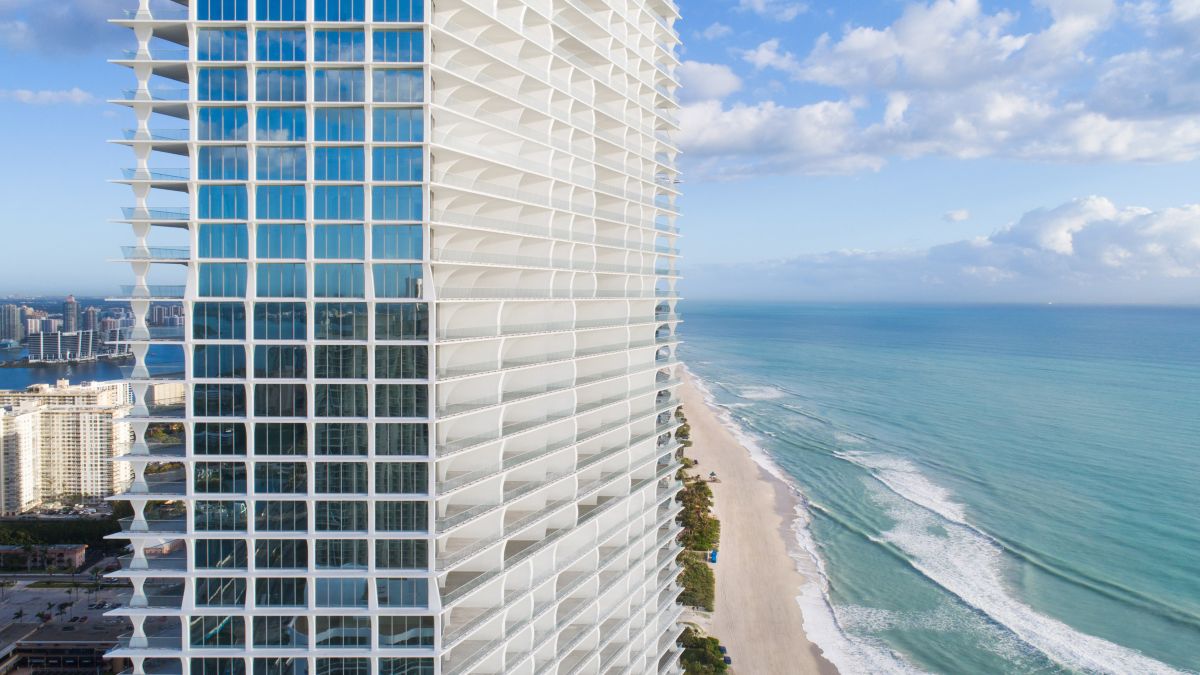
Sunny Isles Beach has one of the highest concentrations of international ownership of any residential real estate market in the United States — and the Jade Collection sits at the center of that story. Buyers from Brazil, Colombia, Venezuela, Argentina, Mexico, France, Italy, Russia, Ukraine, Israel, and dozens of other countries have made Jade Beach, Jade Ocean, and Jade Signature among the most internationally owned buildings on Florida’s Gold Coast.
If you are a foreign national considering a purchase at one of the three Jade buildings, this guide covers everything you need to know — from your legal right to buy and financing options to tax obligations, wire transfer rules, and exactly what the purchase process looks like from outside the United States.

Can Foreign Nationals Buy at the Jade Condos?
Yes — without restriction.
There are no federal or Florida state laws that prohibit foreign nationals from purchasing residential real estate in the United States. Foreign nationals — regardless of citizenship, country of origin, visa status, or residency — have the same legal right to purchase, own, and hold real estate at Jade Beach, Jade Ocean, and Jade Signature as any U.S. citizen.
The Jade buildings themselves impose no nationality restrictions on buyers. Fortune International Group, the developer behind all three buildings, has a long history of international sales, and the buildings’ ownership profiles reflect that — international buyers represent a significant majority of owners at all three addresses.
There is one important exception to note: the Foreign Investment in Real Property Tax Act (FIRPTA) and FinCEN Geographic Targeting Orders (GTOs) impose reporting and withholding obligations on certain transactions involving foreign buyers — but these are compliance requirements, not purchase restrictions. We cover both in detail below.
FIRRP and the Florida Foreign Buyer Landscape: 2026 Update
The legal and regulatory landscape for foreign buyers in Florida has evolved in recent years. Here is what international buyers need to know as of 2026:
Florida SB 264 (2023) — The “Foreign Country of Concern” Law
In 2023, Florida passed SB 264, which restricts nationals of certain designated “foreign countries of concern” from purchasing real estate within 10 miles of a military installation or critical infrastructure site. The designated countries are: China, Russia, Iran, North Korea, Cuba, Venezuela, and Syria.
For buyers from these countries, the key question is proximity. The Jade buildings are located in Sunny Isles Beach, Miami-Dade County. Buyers’ counsel should confirm whether this location falls within a restricted zone under SB 264 for nationals of the listed countries. For most Jade buyers from these markets, the restriction does not apply — but legal counsel should verify on a transaction-by-transaction basis.
For buyers from all other countries — the vast majority of the international buyer base at Jade Beach, Jade Ocean, and Jade Signature — SB 264 has no impact.
FinCEN Geographic Targeting Orders (GTOs)
The Financial Crimes Enforcement Network (FinCEN) has maintained Geographic Targeting Orders covering Miami-Dade County for several years. Under current GTO rules:
- All-cash residential real estate purchases over a certain threshold in Miami-Dade County require the title company or settlement agent to collect and report the beneficial ownership information of the purchasing entity to FinCEN
- This applies to purchases made through LLCs, trusts, corporations, and other legal entities — not direct individual purchases
- The reporting obligation falls on the title company, not the buyer, but buyers must be prepared to disclose beneficial ownership information at closing
What this means in practice: If you are purchasing a Jade condo through an LLC or trust — which many international buyers do for asset protection and estate planning purposes — your title company will file a FinCEN report. This is a reporting obligation, not a restriction on the purchase. It does not prevent the transaction from closing.
Financing Options for Foreign National Buyers
All-Cash Purchases
The majority of foreign national buyers at the Jade Collection purchase with cash — and for good reason. Cash transactions close faster, involve less documentation, and avoid the complexity of U.S. mortgage qualification for non-resident buyers. All three Jade buildings have a strong all-cash transaction history.
Foreign National Mortgages
Foreign national financing is available in the U.S. market — but it requires working with lenders who specifically offer foreign national loan programs. Key parameters for 2026:
- Down payment: typically 30–40% for foreign national borrowers
- Interest rates: generally 0.5–1.5% higher than comparable domestic loans
- Documentation: foreign national loans require income verification, bank statements, and asset documentation — but do not require a U.S. credit score or Social Security Number
- Loan amounts: most foreign national programs go up to $3M–$5M; jumbo foreign national loans above $5M are available, but with additional qualification requirements
- Lenders: Several South Florida-based lenders specialize in foreign national mortgages — your broker can provide current referrals
Note on DSCR (Debt Service Coverage Ratio) loans: Foreign national investors purchasing as rental properties may qualify for DSCR loans, which are underwritten based on the rental income potential of the property rather than personal income documentation. These are increasingly popular for international investor buyers at Jade Beach and Jade Ocean.
Cryptocurrency and Digital Asset Payments
Florida’s Good Funds Law governs how funds must be delivered at closing — requiring cleared, traceable funds in U.S. dollars delivered to the title company’s escrow account. Cryptocurrency cannot be delivered directly at closing, but buyers holding digital assets can convert to USD and wire the proceeds. Some title companies in Miami-Dade have developed procedures for crypto-to-USD conversion as part of the closing process. Buyers considering this approach should engage legal counsel and a title company experienced in crypto-adjacent transactions well in advance of closing.
The Purchase Process for Foreign National Buyers
The purchase process for a foreign national buyer at the Jade Collection follows the same general sequence as a domestic transaction, with additional steps for documentation and funds transfer:
Step 1: Engage a Broker
Work with a broker who has specific experience representing international buyers at the Jade buildings. The nuances of foreign national financing, FinCEN compliance, entity structuring, and cross-border wire transfers require a broker who has navigated these transactions before — not one who is learning on your deal.
Step 2: Determine Your Ownership Structure
Before making an offer, decide how you will hold the property:
- Individual ownership — simplest structure, direct title in your name
- U.S. LLC — common for asset protection and liability separation; triggers FinCEN reporting at closing
- Foreign LLC or corporation — possible but more complex; requires a U.S. registered agent and additional documentation
- Trust — used for estate planning; revocable vs. irrevocable trust structures have different implications for FIRPTA withholding
Consult a Florida real estate attorney and international tax advisor before deciding on a structure. The ownership structure decision has significant implications for U.S. estate tax exposure, FIRPTA withholding at resale, and ongoing income tax obligations if you rent the property.
Step 3: Make an Offer
Your broker prepares a Florida Residential or Commercial Contract for Sale and Purchase. The contract will specify:
- Purchase price
- Deposit amount and escrow instructions
- Closing timeline — typically 30–60 days for cash, 45–90 days for financed transactions
- Contingencies — inspection, title review, financing (if applicable)
Step 4: Due Diligence Period
During the inspection and due diligence period, your broker and attorney will:
- Review the building’s financials, reserve fund, and HOA documents
- Order a property inspection
- Review the unit’s rental history (if relevant)
- Confirm the building’s current rules on foreign ownership, rentals, and any pending special assessments
Step 5: Title and Closing
Florida uses title companies (not attorneys) to handle closings in most residential transactions. Your title company will:
- Conduct a title search and issue title insurance
- Handle FinCEN GTO reporting if applicable
- Receive and disburse funds at closing
- Record the deed with Miami-Dade County
Wire transfer timing is critical for international buyers. Wire transfers from foreign banks can take 3–7 business days to clear. Coordinate with your title company at least 10 business days before your closing date to ensure funds are received and cleared on time. Late or missing funds are the most common cause of delayed closings in international transactions.
Step 6: Post-Closing
After closing, your broker will assist with:
- Building access and key transfer
- HOA registration and move-in coordination
- Rental setup, if applicable
- Property management introductions
Tax Obligations for Foreign National Owners
Understanding U.S. tax obligations is essential for foreign buyers. The primary tax considerations are:
FIRPTA (Foreign Investment in Real Property Tax Act)
FIRPTA requires a withholding of 15% of the gross sale price when a foreign national sells U.S. real estate. This withholding is credited against any actual capital gains tax owed — if your actual tax liability is less than 15%, the difference is refunded. FIRPTA withholding applies at the time of resale, not purchase.
Important: If you purchase through a U.S. LLC or trust, the FIRPTA treatment depends on the entity structure. An experienced international tax attorney can structure ownership to minimize FIRPTA exposure. *Disclaimer: The information provided is for general informational purposes only and should not be construed as legal advice. Readers should consult a qualified real estate attorney regarding SB 264, FinCEN requirements, and any other legal matters related to real estate transactions, as applicable laws, regulations, and enforcement policies may change over time. While every effort has been made to ensure accuracy, the author is not licensed to practice law and does not provide legal services.
U.S. Estate Tax
Foreign nationals who own U.S. real estate are subject to U.S. estate tax on U.S.-situs assets — including Florida real estate — at rates up to 40% on assets above the foreign national estate tax exemption threshold (currently $60,000 for non-residents, far lower than the exemption for U.S. citizens). This is a significant planning consideration.
Mitigation strategy: Many international buyers hold U.S. real estate through a foreign corporation or trust structure specifically designed to avoid U.S. estate tax exposure. This is a well-established planning technique — consult an international estate planning attorney before closing.
Annual Income Tax on Rental Income
If you rent your Jade condo, the rental income is subject to U.S. federal income tax. Foreign national owners can elect to treat rental income as “effectively connected income” (ECI) — allowing them to deduct expenses (HOA, depreciation, management fees, insurance, property taxes) against gross income, resulting in a significantly lower effective tax rate. The alternative is a flat 30% withholding on gross rental income with no deductions — almost always a worse outcome.
Florida has no state income tax — rental income is subject to federal tax only.
Property Tax
Miami-Dade County property taxes apply equally to foreign and domestic owners. The current millage rate produces an effective property tax rate of approximately 1.2–1.8% of assessed value annually. Foreign nationals do not qualify for the Florida Homestead Exemption (which reduces assessed value for primary resident owners) — but can contest assessed values through the Miami-Dade Value Adjustment Board if the county’s assessment appears to exceed market value.
Currency Exchange and Wire Transfer Considerations
For international buyers wiring funds from outside the United States, the following practical considerations apply:
Exchange rate risk: The purchase contract will specify the price in U.S. dollars. If you are holding funds in a non-USD currency, lock in your exchange rate early — currency fluctuations between contract signing and closing can materially affect your total cost.
Correspondent banking fees: International wire transfers typically involve 1–3 correspondent banks between your originating bank and the U.S. title company’s escrow account. Each bank may deduct a fee — confirm with your bank how much will arrive net of fees and send a small buffer above the required amount.
Bank documentation: U.S. title companies are required to verify the source of funds for large cash transactions. Be prepared to provide bank statements, a source of funds letter, and documentation of the origin of the wired funds. This is standard anti-money-laundering compliance — not a judgment about your transaction.
Timing: Wire transfers from Latin American banks typically take 2–5 business days. Transfers from European banks take 1–3 days. Transfers from certain Asian and Middle Eastern banks can take 5–7 business days. Always initiate wires at least 10 business days before your closing date.
Which Jade Building Is Best for Foreign National Buyers?
All three buildings are strong choices for international buyers — but the right fit depends on your priorities:
Jade Beach is the most accessible entry point and the strongest pure investment option. Its established 20-year ownership history means there is a deep pool of comparable transactions, an established international ownership community, and a proven rental market. For first-time U.S. real estate buyers, Jade Beach’s lower price point reduces the capital commitment while maintaining the full Jade brand and oceanfront lifestyle.
Jade Ocean appeals strongly to European buyers — particularly from France, Italy, Russia, and Ukraine — who respond to the building’s contemporary architectural aesthetic. Its flow-through floor plans and the drama of the all-glass facade resonate with design-forward international buyers in a way that Jade Beach’s warmer, more organic design sometimes does not.
Jade Signature is the preferred choice for ultra-high-net-worth international buyers for whom the building’s Pritzker Prize architecture, 192-unit exclusivity, and global prestige are the primary considerations. Jade Signature has a particularly strong buyer base from Brazil, Colombia, and the Middle East at the upper price tiers — buyers for whom the building’s international name recognition carries significant weight.
Frequently Asked Questions: Foreign National Buyers at Jade Condos
Can a foreign national buy a condo at Jade Beach, Jade Ocean, or Jade Signature?
Yes. There are no restrictions on foreign national ownership at any of the three Jade buildings. Buyers from any country may purchase, subject to applicable U.S. and Florida laws.
Do I need a U.S. visa or a Social Security Number to buy a Jade condo?
No. Neither a U.S. visa nor a Social Security Number is required to purchase real estate in Florida. You will need a valid passport and, for financed transactions, an Individual Taxpayer Identification Number (ITIN) for tax purposes.
What is FIRPTA and how does it affect foreign buyers?
FIRPTA (Foreign Investment in Real Property Tax Act) requires a 15% withholding of the gross sale price when a foreign national sells U.S. real estate. It applies at resale, not purchase. Proper entity structuring can minimize FIRPTA exposure — consult an international tax attorney before closing.
Do I need to report my purchase to FinCEN?
If you purchase through an LLC, trust, or other legal entity in Miami-Dade County, the title company is required to file a FinCEN Geographic Targeting Order report disclosing the beneficial ownership of the purchasing entity. This is a reporting obligation on the title company — not a restriction on your purchase.
Can I get a mortgage as a foreign national buyer?
Yes. Foreign national mortgage programs are available in Florida with down payments of 30–40%. These programs do not require a U.S. credit score or Social Security Number, but do require income and asset documentation. Several South Florida lenders specialize in foreign national loans.
How do I wire money from my country to close on a Jade condo?
Wire funds in U.S. dollars to the title company’s escrow account. Initiate the transfer at least 10 business days before closing to account for correspondent banking delays. Be prepared to provide source of funds documentation as required by U.S. anti-money-laundering regulations.
What taxes will I owe as a foreign national owner of a Jade condo?
Key tax obligations include: annual Miami-Dade property taxes (approximately 1.2–1.8% of assessed value), U.S. federal income tax on rental income if you rent the property, and FIRPTA withholding at resale (15% of gross sale price, credited against actual capital gains tax). Florida has no state income tax. U.S. estate tax on U.S.-situs assets is a significant planning consideration for non-resident aliens — consult an international estate planning attorney.
Does SB 264 affect buyers from Russia, China, or Venezuela?
Florida’s SB 264 restricts nationals of designated “foreign countries of concern” (China, Russia, Iran, North Korea, Cuba, Venezuela, Syria) from purchasing property within 10 miles of military installations or critical infrastructure. Buyers from these countries should have legal counsel confirm whether the specific Jade building location is within a restricted zone. For most Jade transactions, this restriction does not apply — but legal verification is essential.
Can I use cryptocurrency to buy a Jade condo?
Florida’s Good Funds Law requires cleared U.S. dollar funds at closing. Cryptocurrency must be converted to USD and wired to the title company’s escrow account — it cannot be delivered directly as crypto. Some Miami-Dade title companies have developed crypto-to-USD conversion procedures. Engage legal counsel and a crypto-experienced title company well in advance of closing.
Can I rent out my Jade condo as a foreign national owner?
Yes. Foreign national owners have the same rental rights as domestic owners, subject to building rules. All three Jade buildings require a minimum 6-month lease, permitted twice per year. Rental income is subject to U.S. federal income tax — elect “effectively connected income” treatment to deduct expenses and minimize your effective rate.
Work With a Jade Condos Expert for International Buyers
International real estate transactions require a broker who has navigated the specific complexities of foreign-national purchases at the Jade buildings — including financing, entity structuring, FinCEN compliance, wire transfer logistics, and cross-border coordination. Ashton Coleman has represented international buyers from across Latin America, Europe, and beyond at Jade Beach, Jade Ocean, and Jade Signature for over two decades.
Whether you are purchasing your first U.S. property or adding to an established Florida portfolio, the conversation starts here.
Call or text: 305.978.7704 Email: AColeman@onesothebysrealty.com Schedule a private consultation →
Related reading: Jade Condos 2026 Mid-Year Market Report | Jade Condos Rental Income Guide | Sunny Isles Beach Area Guide | Jade Beach vs. Jade Ocean vs. Jade Signature

Disclaimer: The information provided is for general informational purposes only and should not be construed as legal advice. Readers should consult a qualified real estate attorney regarding SB 264, FinCEN requirements, and any other legal matters related to real estate transactions, as applicable laws, regulations, and enforcement policies may change over time. While every effort has been made to ensure accuracy, the author is not licensed to practice law and does not provide legal services.